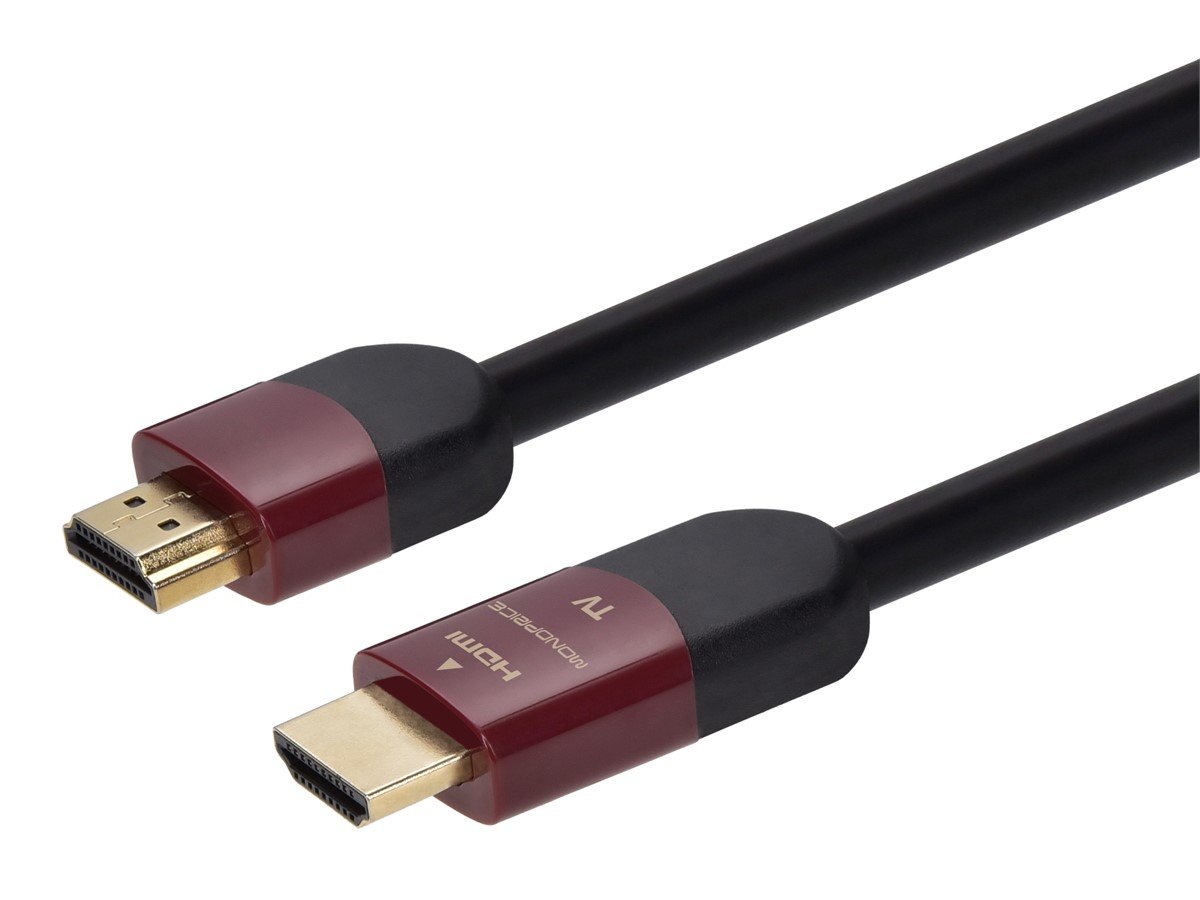
Understanding HDMI Cables: How They Transform Your Home Entertainment Experience
HDMI cables have revolutionized the way we experience home entertainment by providing a single cable solution for both high-quality audio and video signals. Unlike older connection types, HDMI cables support high-definition content, making them essential for modern devices such as TVs, game consoles, and streaming devices. The latest HDMI standards, like HDMI 2.1, allow for impressive features such as 4K and even 8K resolutions, faster refresh rates, and enhanced audio formats. This versatility not only simplifies setups but also ensures that users can enjoy their favorite movies and games with unmatched clarity and detail.
Moreover, HDMI cables support various functionalities that enhance user experience. For instance, many HDMI versions now include support for ARC (Audio Return Channel) and CEC (Consumer Electronics Control), enabling users to control multiple devices with a single remote. This means that you can switch between your gaming console and streaming service without fumbling for different remotes. Understanding these benefits and the technology behind HDMI cables can significantly transform how you set up and enjoy your home entertainment system, leading to seamless and enriching viewing experiences.
Counter-Strike is a popular first-person shooter video game series where players compete in teams to complete objectives such as bomb defusal or hostage rescue. The game emphasizes teamwork, strategy, and sharp shooting skills. For those looking to enhance their gaming experience, check out the Top 10 apple tv streaming accessories which can help improve your overall setup.
The Ultimate Guide to Selecting the Right HDMI Cable for Your Devices
When it comes to connecting your devices, choosing the right HDMI cable can have a significant impact on your audio and video experience. An HDMI cable not only transmits high-definition video and audio but also supports various features such as Ethernet connectivity, 4K resolution, and HDR. To make an informed decision, it's essential to understand the different types of HDMI cables available and their respective specifications. Here are some key factors to consider when selecting the right HDMI cable for your devices:
- Version: Ensure the HDMI cable version matches your devices. HDMI 2.0 supports 4K at 60Hz, while HDMI 2.1 is necessary for 8K resolution.
- Length: Determine how far your devices are from each other, as longer cables can lead to signal degradation. Typically, a cable up to 25 feet should suffice for most setups.
Another crucial aspect to consider is the quality of the HDMI cable. High-quality cables not only ensure better connectivity but also enhance overall performance by reducing potential interference. Look for cables that are well-shielded and have gold-plated connectors to ensure optimal signal transmission. Additionally, if you're using devices that require additional features such as Ethernet or ARC (Audio Return Channel), make sure to select a cable that supports these functionalities. By paying attention to these factors, you can confidently choose the right HDMI cable that suits your needs and maximizes the potential of your devices.
Common HDMI Cable Myths Debunked: What You Need to Know
When it comes to HDMI cables, many myths have proliferated over time, leading to widespread misconceptions. One common myth is that higher-priced HDMI cables always deliver better quality. In reality, all HDMI cables are designed to transmit data at a certain standard. Unless you are using very long runs (over 25 feet), the performance difference between a budget cable and a premium one is negligible. It's essential to understand that the specifications and the version of the cable, not the price, determine its capability to handle 4K or 8K video.
Another prevalent myth suggests that HDMI cables are susceptible to interference from other electronic devices. While it is true that some types of cables can pick up interference, modern HDMI cables are built with shielding that protects against this issue. For most home entertainment setups, the distance from your devices to your display is short enough that interference is not a concern. Remember, if you have quality HDMI cables and use them correctly, you can enjoy a high-quality viewing experience without worrying about the compatibility and interference myths.